IVF (In Vitro Fertilization) in Los Angeles in 2026 typically costs $12,000–$25,000 per cycle, excluding medications, tests, and additional procedures such as ICSI or embryo freezing, which can add $3,000–$7,000+ to the total cost. Multiple cycles may be required, increasing overall expenses. This guide provides a detailed breakdown of IVF costs, neighborhood-wise pricing, procedure add-ons, insurance coverage, and tips to manage fertility treatment expenses.
IVF in Los Angeles costs $12,000–$25,000 per cycle in 2026. Learn neighborhood-wise pricing, procedure add-ons, insurance coverage, and tips to manage fertility treatment expenses.
IVF Cost in Los Angeles: Cost Breakdown
Medical Procedures & Lab Fees
IVF cost in Los Angeles in 2026 is heavily influenced by medical procedures and laboratory fees, which make up a major portion of the total fertility treatment expense.
Standard IVF treatment typically includes initial fertility consultations, hormone monitoring, ultrasound scans, egg retrieval procedures, anesthesia, sperm processing, embryo fertilization, embryo culture, and embryo transfer services.
Advanced fertility lab techniques such as ICSI (Intracytoplasmic Sperm Injection), genetic testing, embryo freezing, and frozen embryo transfer can further increase IVF treatment costs.
Depending on the fertility clinic, technology used, and treatment complexity, medical procedure and laboratory fees for one IVF cycle in Los Angeles may range from several thousand dollars to over $20,000.
Fertility Medications
Fertility medications are another significant factor affecting IVF costs in Los Angeles, as patients often require hormone injections and prescription drugs to stimulate egg production and support embryo implantation.
Common IVF medications include follicle-stimulating hormones, ovulation trigger shots, progesterone supplements, and estrogen therapies.
Medication costs vary based on patient age, ovarian response, dosage requirements, and treatment duration.
In 2026, fertility medication expenses in Los Angeles can range from approximately $3,000 to $8,000 per IVF cycle, especially for patients needing higher hormone dosages or multiple stimulation cycles. Some fertility clinics and specialty pharmacies may offer financing plans, medication discount programs, or insurance-assisted prescription coverage to help reduce IVF medication expenses.
Common Additional Fees for IVF Cost in Los Angeles in 2026
ICSI (Intracytoplasmic Sperm Injection)
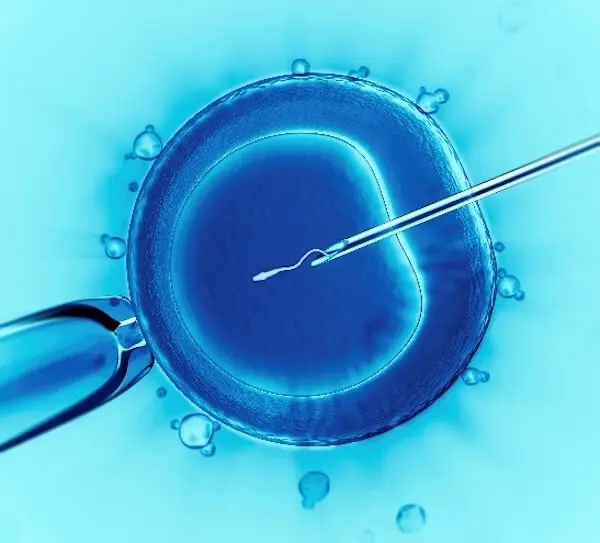
ICSI, or Intracytoplasmic Sperm Injection, is a common additional IVF procedure in Los Angeles that can significantly increase total fertility treatment costs in 2026. This advanced laboratory technique is often recommended for male infertility issues, low sperm count, poor sperm motility, or previous failed fertilization attempts.
During ICSI treatment, a single sperm is directly injected into an egg to improve fertilization success rates. Many Los Angeles fertility clinics charge separate ICSI fees in addition to standard IVF package costs, with prices commonly ranging from $1,500 to $3,500 depending on the clinic, laboratory technology, and complexity of the treatment.
PGT (Preimplantation Genetic Testing)
PGT, also known as Preimplantation Genetic Testing, is another major additional IVF expense in Los Angeles fertility clinics in 2026. This genetic screening process is used to examine embryos for chromosomal abnormalities or inherited genetic disorders before embryo transfer.
PGT can help improve implantation success rates and reduce the risk of miscarriage for certain patients. However, the testing requires specialized laboratory procedures and embryo biopsy services, which can substantially increase IVF treatment costs. In Los Angeles, PGT fees may range from $3,000 to over $7,000 depending on the number of embryos tested and the type of genetic screening performed.
Embryo Storage
Embryo storage fees are also an important part of long-term IVF costs in Los Angeles.
After successful embryo creation, many patients choose to freeze and store unused embryos for future pregnancy attempts through cryopreservation services.
Fertility clinics typically charge annual embryo storage fees based on storage duration, monitoring requirements, and facility standards. In 2026, embryo freezing and storage costs in Los Angeles may range from approximately $500 to $1,500 per year, with some clinics offering discounted multi-year storage plans. These ongoing storage expenses can add significantly to the overall cost of IVF treatment over time.
Insurance & Financing for IVF Cost in Los Angeles in 2026
Coverage Check
Insurance coverage for IVF cost in Los Angeles in 2026 varies widely depending on the health insurance provider, employer-sponsored fertility benefits, and individual policy terms.
Some insurance plans may partially cover fertility testing, diagnostic procedures, ultrasounds, bloodwork, and fertility medications, while others may offer limited or no IVF treatment coverage at all.
Patients are strongly encouraged to perform a detailed fertility insurance coverage check before starting treatment to understand deductibles, copayments, annual limits, and eligibility requirements. Many Los Angeles fertility clinics provide insurance verification services to help patients estimate out-of-pocket IVF expenses and identify covered fertility treatments, helping reduce unexpected medical costs during the IVF process.
Clinic Financing
Many fertility clinics in Los Angeles offer IVF financing programs in 2026 to help patients manage the high cost of fertility treatment through flexible monthly payment options.
Clinic financing plans may include low-interest medical loans, extended installment plans, package discounts, shared-risk IVF programs, and third-party fertility financing services. These payment solutions can make IVF treatment more affordable for individuals and couples who do not have full insurance coverage for fertility care.
Some Los Angeles IVF centers also provide multi-cycle packages, refund programs, and medication financing options to reduce financial stress and improve access to advanced reproductive treatments.
Summary Table
| Neighborhood | Base IVF Cycle ($) | Additional Costs ($) | Notes |
|---|---|---|---|
| Beverly Hills | $20,000–$35,000 | $3,000–$7,000 | Luxury fertility centers, advanced technology |
| Santa Monica | $18,000–$32,000 | $3,000–$6,500 | Boutique clinics, personalized care |
| West LA | $16,000–$30,000 | $3,000–$6,000 | Mix of private and hospital-affiliated clinics |
| Downtown LA | $15,000–$28,000 | $3,000–$6,000 | Urban clinics with competitive pricing |
| San Fernando Valley | $14,000–$25,000 | $3,000–$5,500 | Suburban clinics, moderate pricing |
| East Los Angeles | $12,000–$22,000 | $2,500–$5,000 | Community-focused fertility clinics |
FAQ: IVF Costs in Los Angeles CA
Q1: How much does one IVF cycle cost in Los Angeles?
A1: Costs typically range from $12,000–$25,000 per cycle, excluding medications and optional procedures.
Q2: Are medications included in the IVF cost?
A2: No, medications cost an additional $3,000–$7,000 per cycle.
Q3: Does insurance cover IVF treatments?
A3: Coverage varies by plan; some private insurance plans partially cover IVF, but Medicare and Medi-Cal generally do not.
Q4: Can add-on procedures increase the total cost?
A4: Yes, procedures like ICSI, embryo freezing, or genetic testing can add $3,000–$7,000+ to the total.
Q5: Are there ways to reduce IVF costs in Los Angeles?
A5: Yes, by comparing clinics, using package deals, verifying insurance coverage, and seeking grants or nonprofit assistance programs.