The cost of hiring an electrician in New York NY (2026) averages $100–$150 per hour, with a minimum fee of $150–$200 per visit. Small jobs like outlets cost $150–$300, while large rewiring projects can exceed $10,000. Discover the average electrical work cost in New York NY for 2026. Learn hourly rates, labor charges, and what to expect when hiring a licensed electrician.
Electrical work in New York City can range from simple repairs to major system upgrades, and costs are generally higher than the national average due to strict electrical codes, permit requirements, and licensed labor. On average, a licensed electrician in NYC charges between $125 and $250 per hour for standard residential electrical work. Small jobs such as replacing outlets, switches, or light fixtures usually cost $200 to $600, depending on the number of fixtures and accessibility of the wiring.
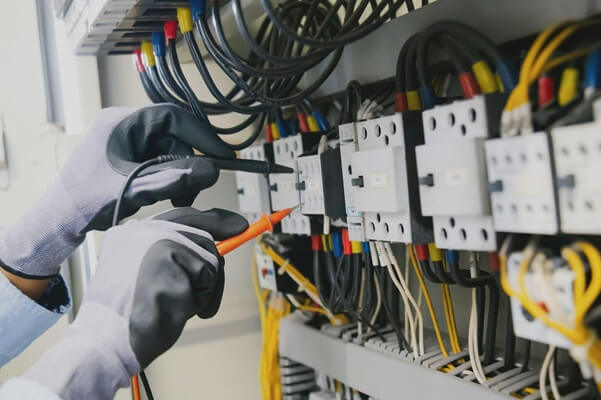
Electrical Work Cost in New York NY
For medium-sized electrical projects, prices increase based on labor time and materials. Upgrading an electrical panel in NYC typically costs $2,500 to $6,000, especially in older buildings that require code compliance upgrades.
Installing new circuits or rewiring specific rooms often ranges from $1,000 to $4,000. Adding recessed lighting, ceiling fans, or dedicated appliance outlets generally costs $300 to $1,200 per installation.
Large electrical projects are the most expensive. A full home rewiring in New York City can cost between $8,000 and $25,000, depending on the size of the property and wall access. Commercial electrical work or multi-unit building upgrades can exceed $30,000.
Permit fees, inspections, and emergency or after-hours service can add several hundred dollars more. While electrical work in NYC is costly, hiring a licensed electrician ensures safety, compliance with city regulations, and long-term reliability.
New York Electricians Costs & Prices
Hiring a licensed electrician in New York City is often more expensive than in other parts of the U.S. due to higher labor costs, licensing requirements, and the complexity of working in older NYC buildings. In 2026, electricians in NYC typically charge $100 to $150 per hour, with minimum service fees ranging from $150 to $200 per visit.
Complex projects, such as rewiring or panel upgrades, may cost several thousand dollars. Costs also vary depending on whether the work is residential, commercial, or emergency service.
How much do electricians charge in NY?
In New York, most electricians charge by the hour. The average hourly rate is $100–$150, but it can reach $200+ for specialized work or after-hours calls. For basic jobs like installing outlets, switches, or ceiling fans, homeowners usually spend $150–$400 total.
Larger tasks, such as wiring a new room, cost $500–$1,500, while full-home rewiring can exceed $10,000. Commercial electrical work tends to be more expensive due to additional labor, permits, and safety codes.
What’s the average cost for electrical work?
The average cost of electrical work in New York depends on the project size and complexity. Small repairs, such as replacing outlets or switches, usually cost $150 to $300. Medium-scale jobs, like wiring a room or installing multiple light fixtures, can range from $500 to $1,500. Large projects, including electrical panel upgrades or whole-house rewiring, often cost $2,000 to $15,000 or more.
On average, most NYC homeowners spend $400 to $2,000 per project. The final price includes labor, parts, permits, and compliance with New York City’s strict electrical codes, which influence overall expenses.
What is the standard charge for an electrician?
The standard charge for an electrician in New York typically starts with a minimum service fee of $150 to $200, which covers travel, inspection, and at least one hour of work. After the first hour, electricians usually charge their hourly rate, which ranges from $100 to $150 per hour during regular business hours.
Specialized tasks, like panel upgrades or emergency services, may be priced as flat fees or at higher hourly rates. This minimum charge ensures electricians can cover operational costs in a high-cost market like NYC, while giving homeowners transparency in upfront service pricing.
How to calculate electrical labor cost?
To estimate electrical labor costs, consider three key factors: hourly rate, job duration, and complexity. For instance, if an electrician charges $125/hour and the job takes 3 hours, labor alone will cost $375. Add in parts, permits, and travel fees, and the total may reach $500–$700.
Larger jobs require multiple electricians, which increases costs significantly. Homeowners should also account for minimum service fees, which apply even if the job takes less than an hour. The best approach is to request a detailed written estimate before work begins.
Hourly Rates, Minimum Fees of Electrician in NY
In 2026, electricians in New York charge between $100 and $150 per hour, depending on their expertise, licensing, and the type of project. For after-hours or emergency calls, rates often rise to $150 to $250 per hour. Most electricians apply a minimum fee of $150 to $200 per visit, regardless of how small the job is.
This fee covers travel time, inspection, and setup. For larger projects, such as rewiring or panel upgrades, costs are estimated based on total labor hours plus materials. Understanding hourly rates and minimum fees helps homeowners budget effectively for electrical repairs.
FAQs About Electrical Work in New York
Q1: Why are electricians more expensive in NYC than other cities?
NYC electricians face higher labor costs, insurance, licensing fees, and building code requirements, which raise overall pricing.
Q2: Do electricians in NY charge for estimates?
Many offer free estimates, but some charge inspection fees that are credited if you hire them.
Q3: How can I save money on electrical work in NYC?
Bundle multiple small projects into one visit, request estimates from multiple electricians, and schedule work during standard hours.
Q4: Is DIY electrical work legal in NYC?
No, most electrical work requires a licensed electrician due to strict safety and permitting regulations.